Mastering Wildland Firefighting: Essential Strategies from NWCG for Effective Wildfire Response
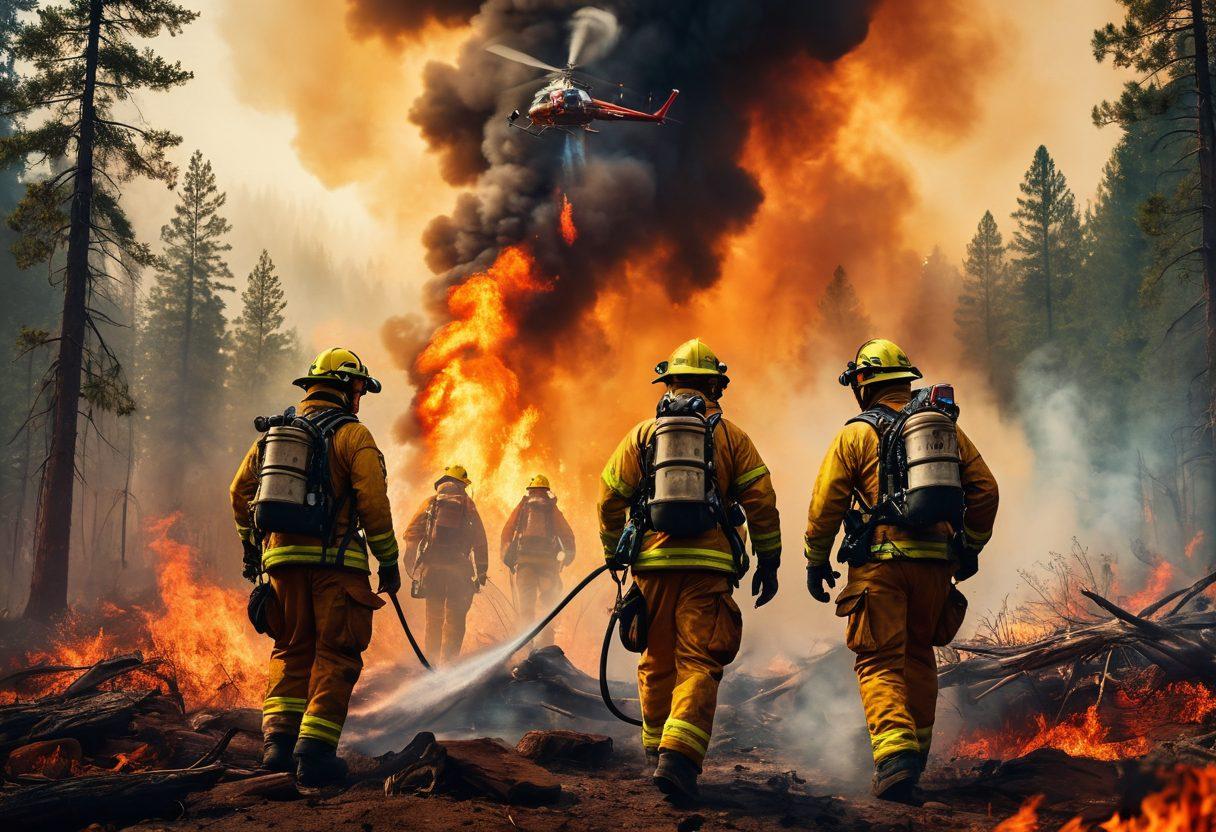
When it comes to tackling the monstrous force of a wildfire, understanding fire behavior is crucial. Imagine being a firefighter standing at the edge of a roaring blaze, with flames crackling and the scent of smoke thick in the air. Your heart races as you recall your training on firefighting strategies, deeply rooted in the teachings of the National Wildfire Coordination Group (NWCG). Welcome to the world of wildland firefighting, where every decision counts and every move is a dance with nature's most ferocious element.
Wildfire behavior can be unpredictable, transforming simple brush fires into raging infernos in the blink of an eye. Recognizing patterns in fire behavior allows for designing effective firefighting strategies and making timely decisions. Factors like wind speed, humidity, terrain, and vegetation moisture play pivotal roles in the spread of a fire. As fire professionals, learning to interpret these aspects is like reading a book where each chapter holds critical insights necessary for wildfire response and fire management.
Effective wildfire response starts with comprehensive fire training. The NWCG provides invaluable resources and guidelines that enhance the abilities of fire response teams. These tools include the Incident Command System (ICS), a structured approach to control the chaos. The ICS is crucial for orchestrating a harmonious response where fire suppression efforts are concerted and efficient. Through continuous training, firefighters learn to execute controlled burns and prescribed fires, which are powerful techniques for wildfire mitigation and containment.
Storytelling from seasoned firefighters often highlights the importance of wildfire preparedness and fire safety education. Picture a veteran sharing a tale of a forest fire season, emphasizing how pre-emptive fire policy decisions and fire risk assessments paved the way for efficient wildfire prevention. These stories not only captivate but also serve as vital lessons in fire ecology and forest management. The knowledge that one gleaned from these experiences can prove pivotal during the fire season, turning potential fire disasters into manageable incidents.
In the wake of a forest fire, the role of fire disaster relief and fire rehabilitation can't be overstated. The aftermath of a wildfire often leaves a scarred landscape and communities in need of rebuilding. Fire containment is just the beginning—the journey continues with fire assessment and fire incident reports to comprehend the incident fully. The deployment of fire resources, encompassing manpower and equipment, ensures that the affected areas are restored and future wildland fires are mitigated. Mastering these aspects guarantees a well-rounded approach to firefighting, aligning with the mission of the NWCG to protect our lands and communities from the ravages of fire.
Harnessing Fire Management and Mitigation Techniques for Wildfire Preparedness
If there's one thing that's predictable about wildfires, it's their unpredictability. As climate change continues to alter the landscape, wildfires are becoming more intense and frequent. The key to mastering wildland firefighting lies in harnessing fire management and mitigation techniques to be wholly prepared for any wildfire that ignites. This can feel like an overwhelming task, but with the proper training and strategies from the National Wildfire Coordination Group (NWCG), it’s entirely possible to turn the tide against these formidable natural disasters.
Firefighting, whether in an urban setting or out in the vast expanse of the wilderness, requires a deep understanding of fire behavior, fire ecology, and the strategies that can suppress a blaze before it gets out of hand. The NWCG provides a plethora of fire training resources designed to equip firefighters with the skills needed for efficient wildfire response. Here, we’ll dive into some essential strategies and techniques that can make a world of difference when battling a forest fire. Have you ever wondered what it takes to control a raging wildfire? It's about more than just bravery; it's about preparation, tactics, and above all, knowledge.
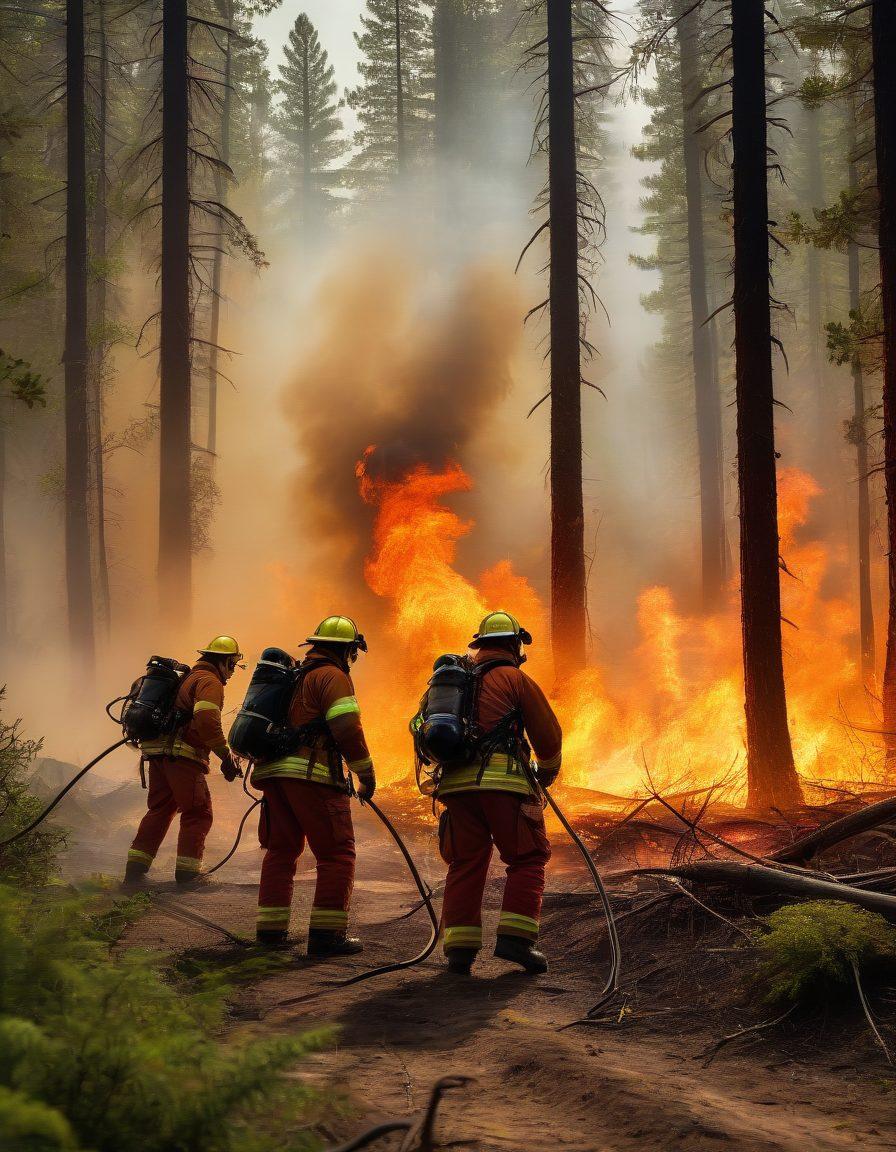
One cornerstone of wildfire preparedness is the concept of controlled burns or prescribed fires. These intentional fires are set under carefully monitored conditions and are a key component in wildfire prevention. By burning off excess vegetation, controlled burns reduce the amount of fuel available for potential wildfires, thereby minimizing their intensity. This method requires a thorough understanding of fire behavior and the local ecosystem—a knowledge foundation that the NWCG emphasizes in their firefighting strategies and fire safety education programs. Think of it as a way of fighting fire with fire, albeit in a controlled and strategic manner.
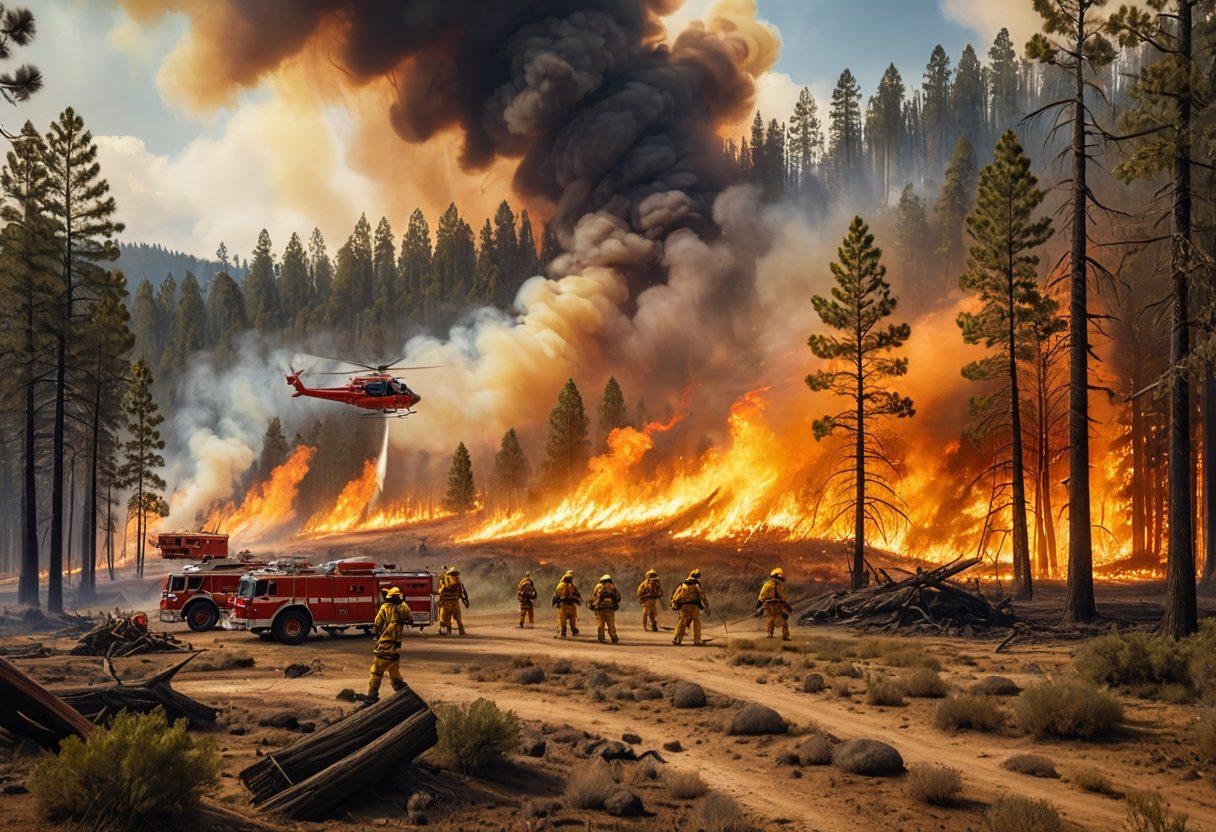
But what happens when a wildfire does break out? The incident command system (ICS) becomes indispensable. This standardized approach to the command, control, and coordination of emergency response provides a common hierarchy within which responders from multiple agencies can be effective. The ICS ensures that everyone knows their roles and responsibilities, thereby streamlining the fire response team’s efforts and improving the chances of wildfire containment. Just like a symphony requires every musician to play their part in harmony, effective wildfire response requires seamless coordination—something the NWCG training relentlessly focuses on.
Lastly, once the flames are extinguished, the work is far from over. Fire rehabilitation is critical to returning a landscape to its former state and ensuring that fire safety protocols are bolstered for future incidents. Evaluating the fire risk assessment post-incident can help in refining strategies and improving fire policy. By employing fire risk assessment tools and fire assessment reports, firefighting teams can develop better plans for future wildfire preparedness and mitigation. It’s a continuous cycle of learning, adapting, and improving. So, as another fire season looms on the horizon, the importance of fire safety education, coupled with practical wildfire mitigation strategies, can never be overstated.
Implementing NWCG Guidelines for Comprehensive Wildfire Response and Safety
When it comes to the unforgiving terrain of wildland firefighting, having a blueprint for action is paramount. Implementing NWCG guidelines for comprehensive wildfire response and safety is not just a recommendation; it's a requisite for protecting lives, property, and our precious natural resources. How can the principles laid down by the National Wildfire Coordinating Group (NWCG) transform a desperate scramble against raging fires into an orchestrated, effective, and life-saving endeavor?
The NWCG guidelines are meticulously crafted to cater to every aspect of wildfire response. This comprehensive approach encompasses wildfire prevention, fire suppression, fire risk assessment, and fire safety education. Employing these guidelines elevates a fire response team from good to great. Consider this: When wildfire season is upon us, and a spark ignites a perilous forest fire, what separates successful firefighting operations from catastrophic failures? The answer lies in preparedness through NWCG’s fire training and incident command system. These protocols ensure that every member of the team understands their role and the strategy, leaving no room for fatal errors during a fire disaster relief situation.
The backbone of successful wildland firefighting is a deep understanding of fire behavior and fire ecology. The NWCG places immense emphasis on these topics in their fire training modules. Knowing when to use a controlled burn or a prescribed fire method can mean the difference between containment and a disastrous spread. For example, in regions facing relentless droughts, employing precise fire management strategies, such as selective wildland fire techniques and establishing fire breaks, can save entire ecosystems. Stories from veteran firefighters often highlight moments where swift action, guided by rigorous NWCG protocols, resulted in miraculous saves against overwhelming odds.
Understanding fire behavior isn't just for the front-line heroes. The role of a fire dispatcher, tasked with coordinating fire resources and fire containment efforts, is just as crucial. The NWCG's comprehensive guidelines also extend to fire policy, ensuring that every level of wildfire response—from the fire incident report to the boots on the ground—operates under a unified and effective strategy. A compelling case is that of fire rehabilitation after a major wildfire. Here, intertwined efforts of fire safety strategies and forest management principles work hand-in-hand to restore affected areas, mitigating future fire risks through thorough fire risk assessments.
Finally, we cannot overlook the human element in wildland firefighting. The NWCG guidelines champion not just the tactical aspects but also the holistic needs of a fire response team. Ensuring the crew’s mental and physical well-being, offering robust fire safety education, and fostering a culture of preparedness are all non-negotiables. Relatable and actionable content shared during training can bridge the gap between abstract protocols and real-life application. As the threat of national forest fires perpetually looms, having a steadfast and knowledgeable team ready to implement NWCG's guidelines is our best defense against nature’s fiery wrath. So, how prepared is your team for the next wildfire?